Chronic Obstructive Pulmonary Disease (COPD)
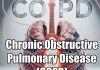
Chronic Obstructive Pulmonary Disease (COPD)
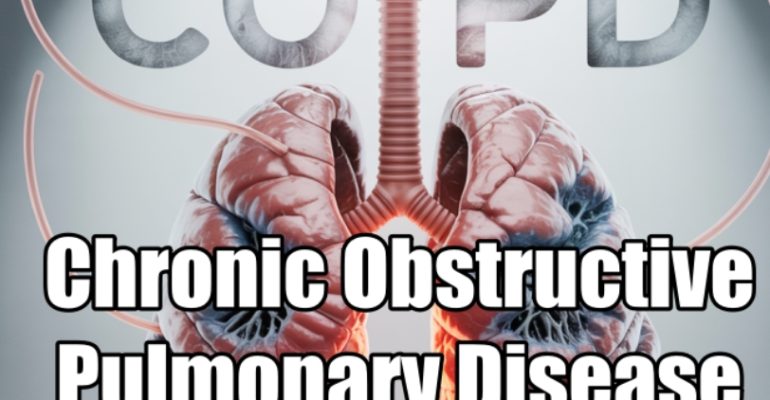
Our E-Learning Chronic Obstructive Pulmonary Disease (COPD) provides a clear, concise introduction to Chronic Obstructive Pulmonary Disease (COPD). Learners will explore the causes, symptoms, diagnosis, and treatment options for COPD, along with best practices for patient education and self-management. Ideal for healthcare professionals and caregivers, this course supports improved patient outcomes through practical knowledge and evidence-based strategies. This training will take approximately 40 minutes. Take notes where necessary to assist you with the knowledge checks throughout.
Course Agenda:
- Understand what COPD is — a progressive lung condition that obstructs airflow and makes breathing difficult, primarily caused by long-term exposure to irritants like cigarette smoke, air pollution, or occupational dust.
- Recognise the main types — chronic bronchitis (inflammation and mucus build up) and emphysema (damage to air sacs in the lungs), which often occur together in COPD patients.
- Identify key symptoms — persistent cough, excess mucus, breathlessness, wheezing, fatigue, and frequent chest infections.
- Understand risk factors — smoking, exposure to dust and chemicals, genetic predisposition (e.g., alpha-1 antitrypsin deficiency), and long-term environmental pollution.
- Learn diagnostic methods — including spirometry (lung function testing), chest X-rays, CT scans, and medical history review for accurate assessment and staging.
- Explore management and treatment options — smoking cessation, bronchodilators, inhaled corticosteroids, oxygen therapy, pulmonary rehabilitation, and lifestyle modification.
- Recognise the importance of early intervention — timely diagnosis and consistent treatment can slow disease progression and improve quality of life.
- Promote patient self-management — educate individuals to monitor symptoms, adhere to medication, maintain physical activity, and follow action plans for exacerbations.
- Be alert to emergency symptoms — sudden worsening breathlessness, blue lips or fingers, confusion, or chest tightness require immediate medical attention.
- Encourage holistic care and empathy — understand the emotional impact of chronic respiratory illness, support smoking cessation efforts, and foster communication between patients, carers, and healthcare professionals.