Allergen Awareness
Allergen Awareness
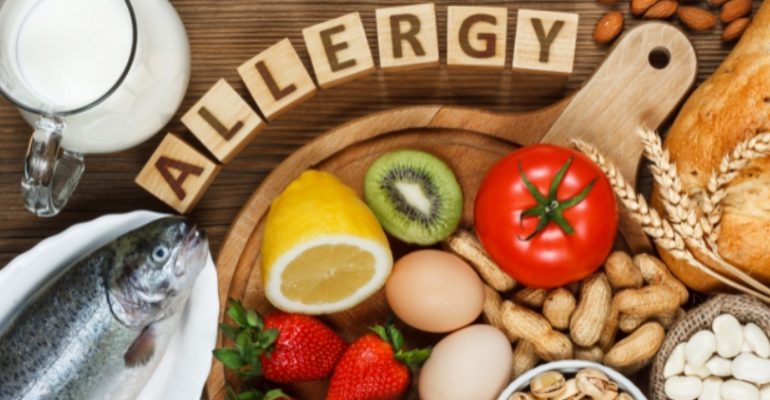
Our Allergen Awareness e-Learning will explain what Allergens are and what you need to know about them.
Course Agenda:
- Understand what allergens are — learn the difference between allergens and other contaminants, and recognise how allergic reactions differ from food intolerance.
- Identify the 14 main food allergens listed in UK/EU food law (e.g. peanuts, tree nuts, milk, eggs, gluten-containing cereals, fish, shellfish, soy, mustard, sesame, celery, sulphites, lupin, molluscs).
- Know the legal framework — including the Food Information Regulations (FIR) and Food Information for Consumers (FIC) Regulation (EU No. 1169/2011), requiring clear allergen information for consumers.
- Recognise symptoms of allergic reactions — from mild (itching, rash, swelling) to severe anaphylaxis (breathing difficulty, collapse, potential fatality).
- Prevent cross-contamination — through proper cleaning, equipment segregation, use of color-coded utensils, and clear labelling during storage, preparation, and service.
- Handle and label ingredients correctly — always check ingredient lists, maintain accurate recipe and supplier information, and ensure allergen updates are reflected on menus, prepacked, and non-prepacked foods.
- Understand communication responsibilities — front-of-house and kitchen staff must communicate allergen risks clearly, confirm customer requests, and avoid assumptions.
- Maintain hygiene and cleaning practices — effective cleaning to remove allergenic residues; sanitizing surfaces and equipment between uses; and correct disposal of contaminated food.
- Respond to allergen incidents — know how to act if a customer has an allergic reaction: seek medical help immediately and follow your organization’s emergency protocol.
- Stay trained and compliant — ensure all staff receive regular allergen awareness training, understand labelling laws, and implement safe systems of work in line with Food Standards Agency (FSA) guidance.